Information is taken from the game and may change or differ over time. Last updated .
Statistics
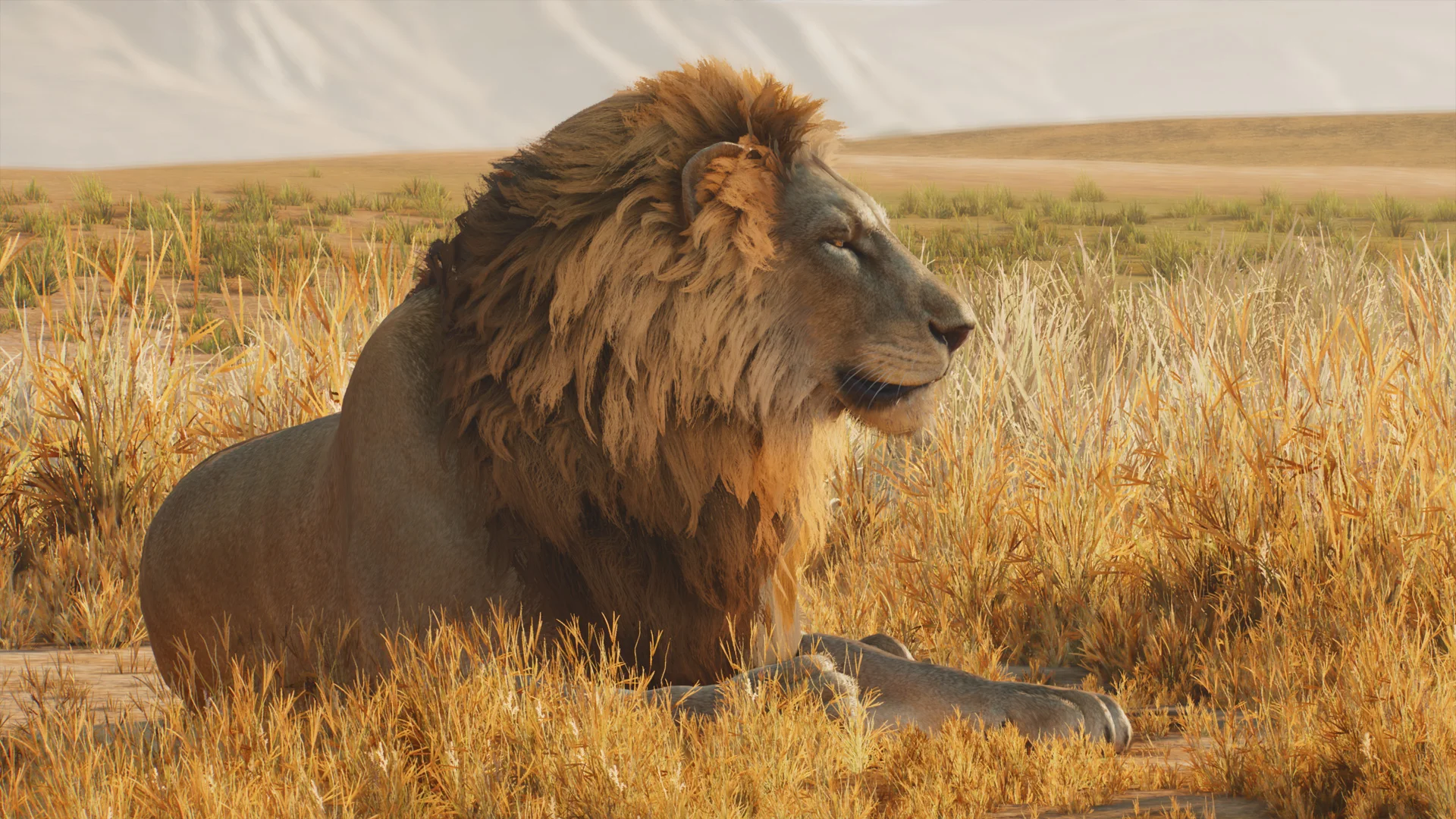
The lion (or Panthera leo) inhabits savannahs, grasslands, and open woodlands across sub-Saharan Africa and Asia (where they only survive in Western India today).
Males are instantly recognisable by their thick manes, which range in colour from blond to black and serve both as protection during fights and as a display of dominance, while females lack manes and have sleeker builds for improved hunting agility. Lions have a tan to sandy yellow colour with a paler belly.
Adult males typically measure 1.7m to 2.5m in body length, with a tail of 90cm to 105cm, and weigh between 150kg and 250kg. Females are smaller, averaging 1.4m to 1.8m in body length, with a tail of 70cm to 100cm and weigh between 110kg and 180kg.
- The roar of an adult male can be heard from 8km away.
- Lions are the most social of the big cats.
- Lions can reach speeds of up to 80km/h when running.
- Female lions do 90% of the hunting in a pride.
- Male lions spend their time defending their territory and females from rival males.
Habitat
Minimum habitat requirements
Planned population
Space
Barrier
Terrain
Environment
Preferred group ranges
Social
Lions are social animals. In the wild, a pride usually consists of several related females and their young, a dominant male and one or two subordinate males. Lions are playful with their counterparts and are rarely aggressive unless a male challenges the alpha male. Young male lions who have not acquired a pride also often form small groups and travel and hunt together.
 Bamboo Feeder
 Frozen Blood Pumpkin
 Piñata Pronghorn
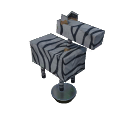 Piñata Zebra
 Restraint Feeder
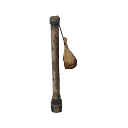 Prey Scented Sack
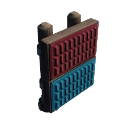 Rubbing Pad
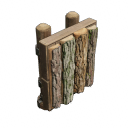 Rubbing Pad Bark
 Scratching Post
 Small Ball
Release
Release requirements
Log in to track where you have released this species.
Pride
Male Coalition
Female Group
Conservation
Lions are a Vulnerable species, facing significant threats of habitat loss and fragmentation. Urban and agricultural development divides and reduces their natural range, isolating populations. Close contact to human settlement leads to increased conflict and retaliatory killing for lion predation on livestock. Poaching and illegal wildlife trade for trophies and traditional medicine adds to the threat, as well as declining prey availability due to overhunting and habitat fragmentation. Climate change exacerbates these pressures by altering habitats and water availability.
Protected areas are key to lion conservation. Wildlife corridors help connect fragmented habitats, both for lions and their prey populations. Compensation and livestock fencing schemes and other community-based conservation programs work to reduce human-lion conflict. Lion-based ecotourism initiatives also bring financial benefits to local populations. Internationally, trade of lion products is strictly regulated, and numerous NGOs partner with governments to strengthen anti-poaching patrols.
Research
| Level | Unlocks | Bonus | Research gate |
|---|---|---|---|
| 1 | Thriving Requirement 1: Restraint Feeder, at least 3 | ||
| 2 | Thriving Requirement 2: Water Surface Area; Lion Fact Sheet | ||
| 3 | Release groups and release to the wild | ||
| 4 | Thriving Requirement 3: Food Grade 2; Fertility Level 1 | Fertility (+15%) | Before this level: an Observation Network (Observation Platform) in Great Rift Valley Reserve and this species released in Great Rift Valley Reserve |
| 5 | Thriving Requirement 4: at least 6 objects or plants with the Trees tag | ||
| 6 | Thriving Requirement 5: Long Grass terrain; Fertility Level 2 | Fertility (+30%) |
Conservation topics
Life
Reproduction
Lifecycle
Body
 1.23 m
 1.07 m
Breeding
Lions breed year-round. The dominant male in a lion pride mates with all mature and receptive females, though sometimes a lioness in heat may mate with multiple males.
Females will be pregnant for 3.5 months and usually have a litter of 2 to 3 cubs, which are born in a den away from the pride. Usually, lionesses introduce their cubs into the pride when they are about 6 to 8 weeks old. Cubs are weaned at around 7 to 8 months old.
Lions reach sexual maturity at 3 to 4 years old. Most female cubs will remain with their mother’s pride, whereas all male cubs are forced to leave and must try to acquire their own pride. Young males might form small bachelor groups; these coalitions may sometimes take over a pride together. When an old or weak alpha male is ousted by rival males, they will then kill lion cubs that are not theirs, because females will not mate while they have cubs.