Information is taken from the game and may change or differ over time. Last updated .
Unlocked at Accreditation Tier 5
Statistics
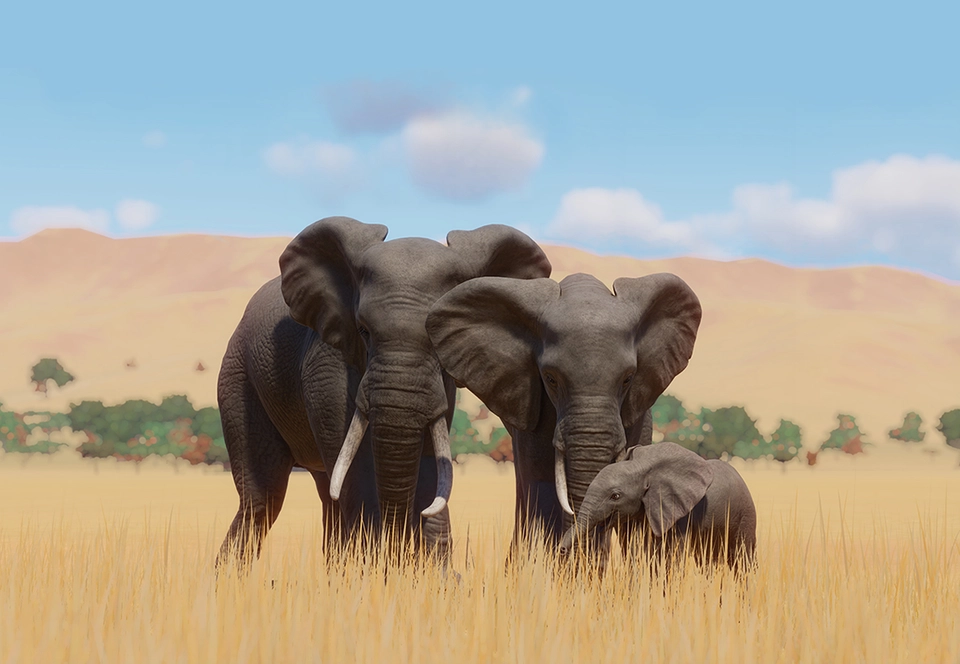
Native to the savannahs and mountains of Sub-Saharan Africa, the African savannah elephant (or Loxodonta africana) is a large, thickset mammal with grey skin and a characteristic trunk used for vocalising, drinking and grasping food.
Both sexes of the species have tusks, and both are known for their intelligence and strong social bonds, especially the bond between mothers and their babies. Female herds bond for life and, even if a herd splits up, the females will remember and communicate with family members they may come across later in life.
As the largest living terrestrial animal, African elephant bulls grow to stand 3.04m to 3.36m tall at the shoulder, and weigh between 5,200kg and 6,900kg. Females are smaller, at 2.47m to 2.73m tall and weigh between 2,600kg to 3,500kg.
- An African savannah elephant's tusks grow throughout its life; an adult male's can grow 7cm per year.
- In Tanzania, there is an island that has been dubbed 'Elephant Island' by locals because elephants will swim there to eat palm leaves and coconuts.
- African savannah elephants give themselves mud baths by spraying water and soil over their backs to protect them from the sun.
- Male elephants go through a periodic state called 'musth'; a time of heightened aggression and fertility due to an increase in testosterone.
- African savannah elephants are very important seed dispersers; the seeds of the plants and trees they eat are spread far and wide in their dung.
Habitat
Minimum habitat requirements
Planned population
Space
Barrier
Terrain
Environment
Preferred group ranges
Social
Elephants are social animals, the exception being mature males who usually live alone. Females live in closely bonded family herds – including their young – and will travel and forage together. Herds have a matriarch; an older female who uses her experience to guide the group, and the group will care for each other, helping to raise babies. Elephants have even been known to grieve at the death of a group member. African Savannah elephants may travel 80 kilometres a day searching for food, water and mates.
 Barrel Feeder - Hanging
 Barrel Feeder - Large
 Fixed Roller Feeder - Large
 Melon Feeder
 Suspended High Grazer Feeder
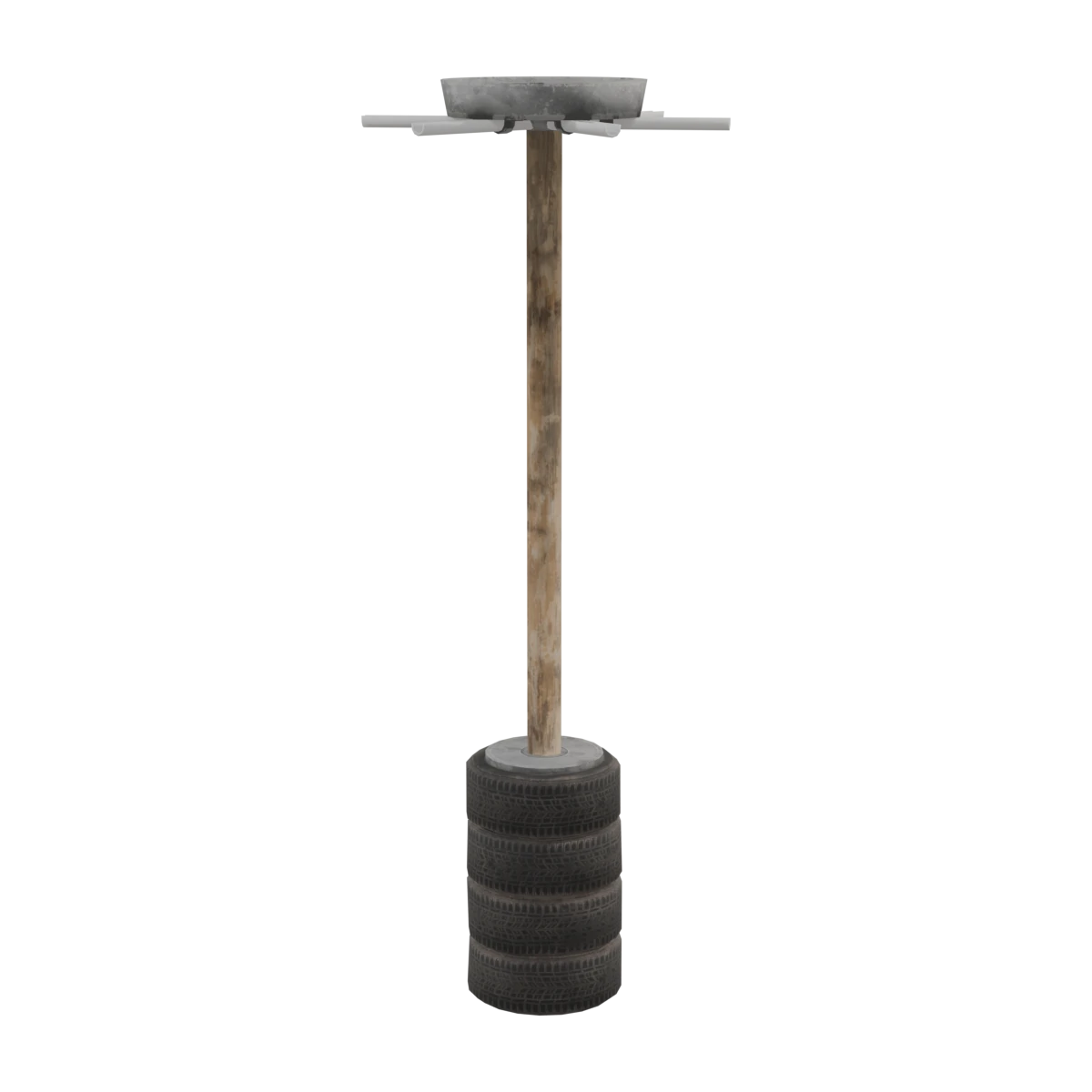 Tree Scatter Feeder
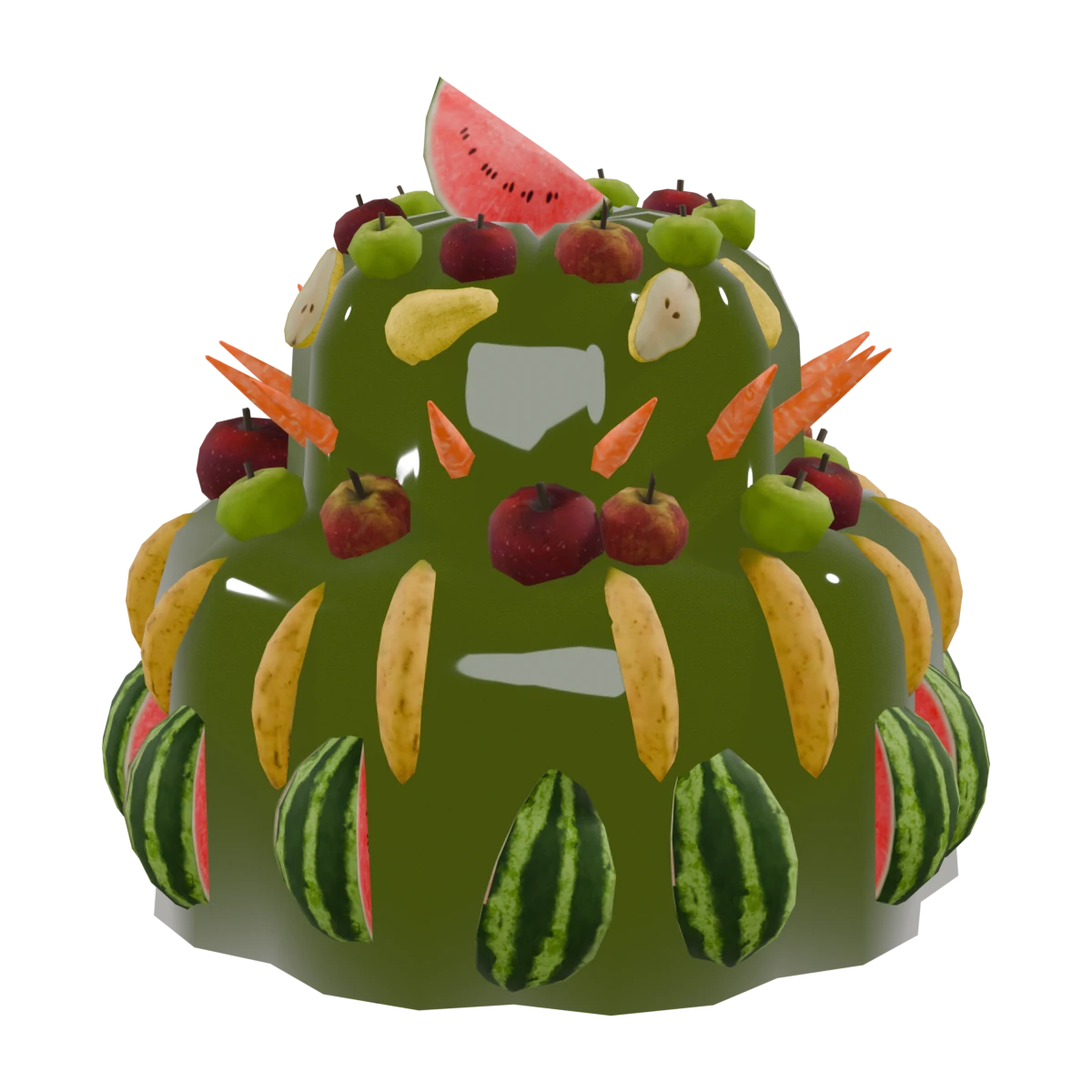 Veggie Jelly Cake
 Gyro
 Large Ball
 Large Tyre
 Mud Bath
 Musical Keyboard
 Rubbing Pillar
 Skittle
Thriving relationships
0iNo compatible species
Neutral relationships
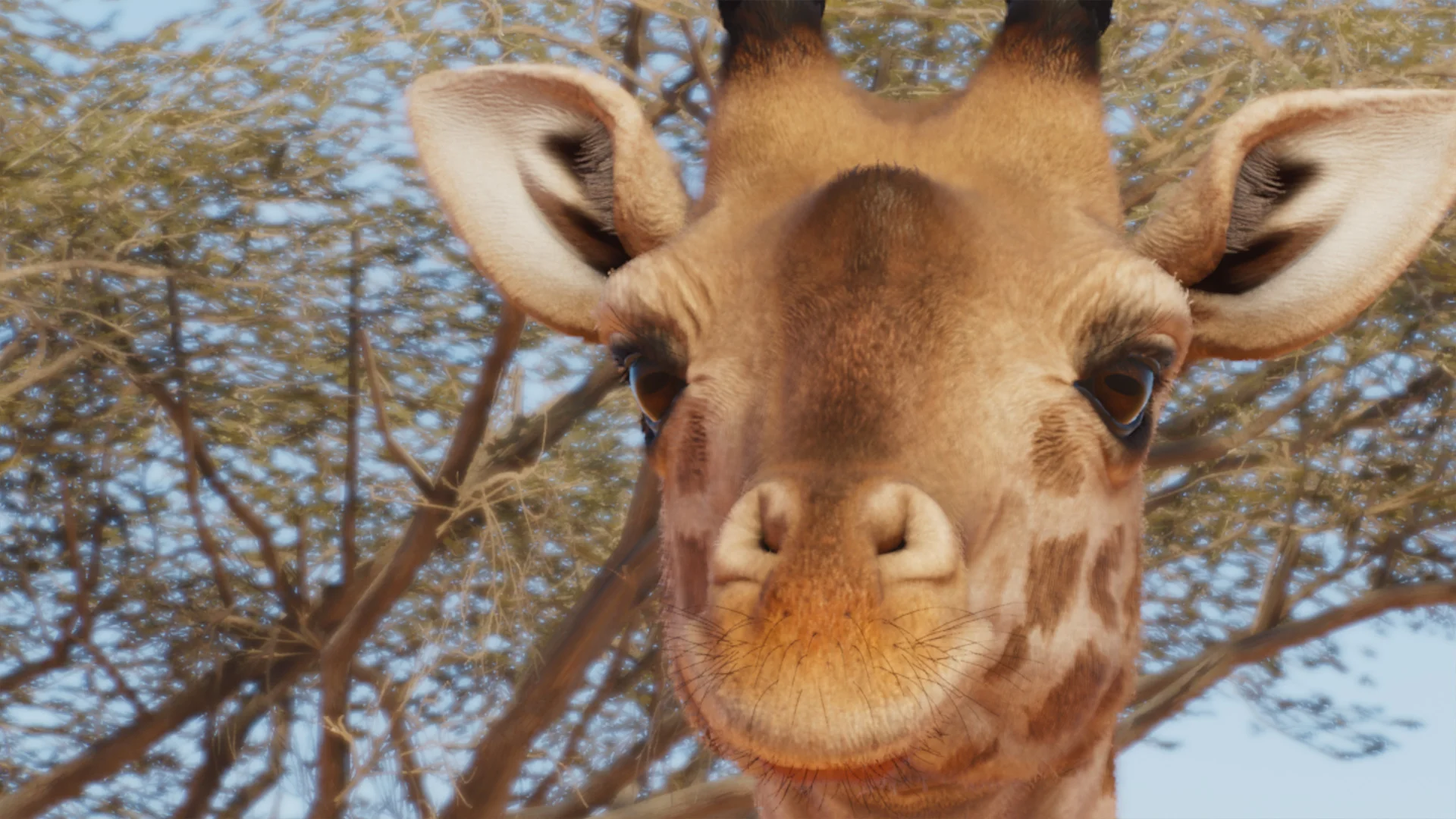
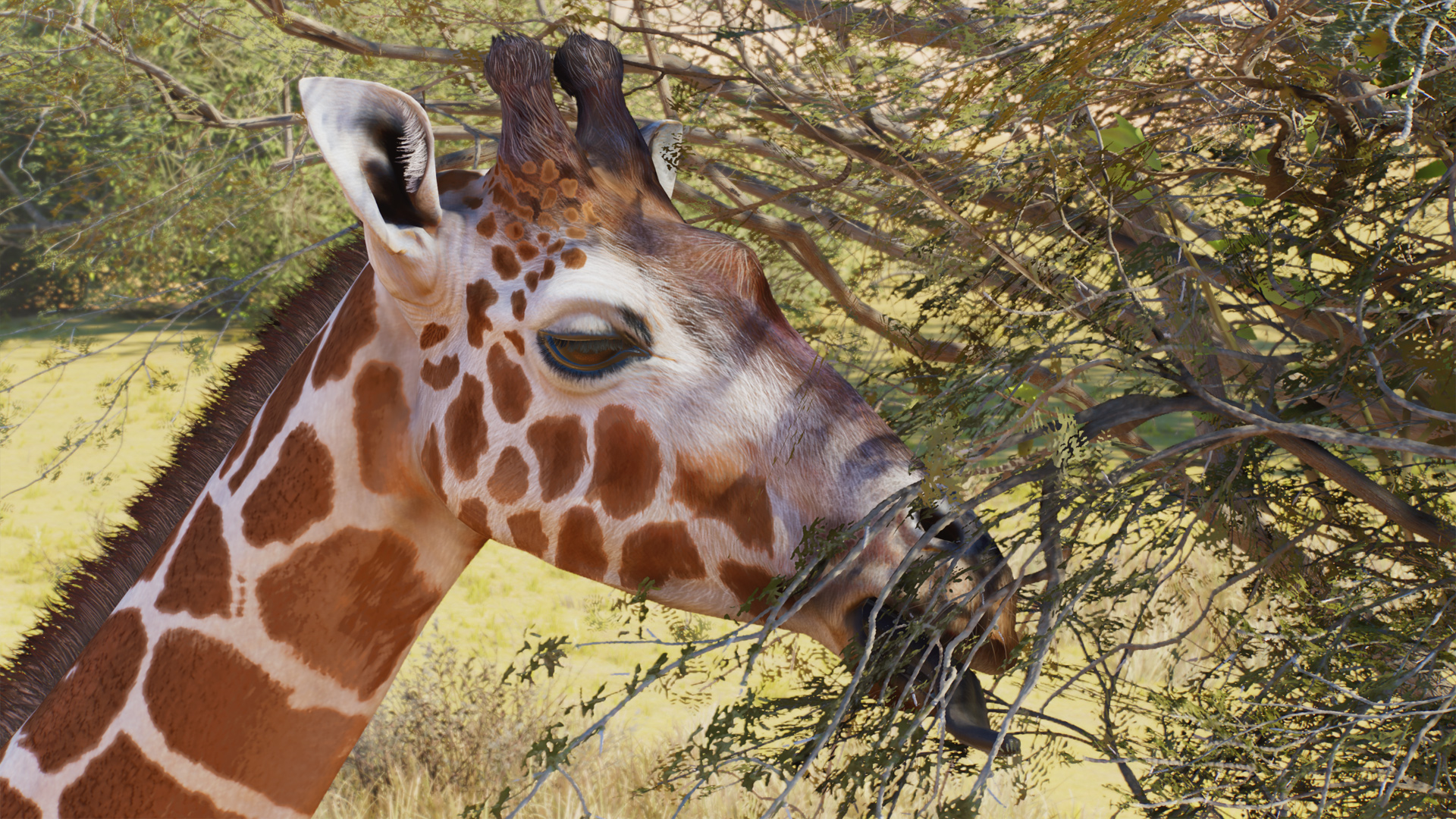
3i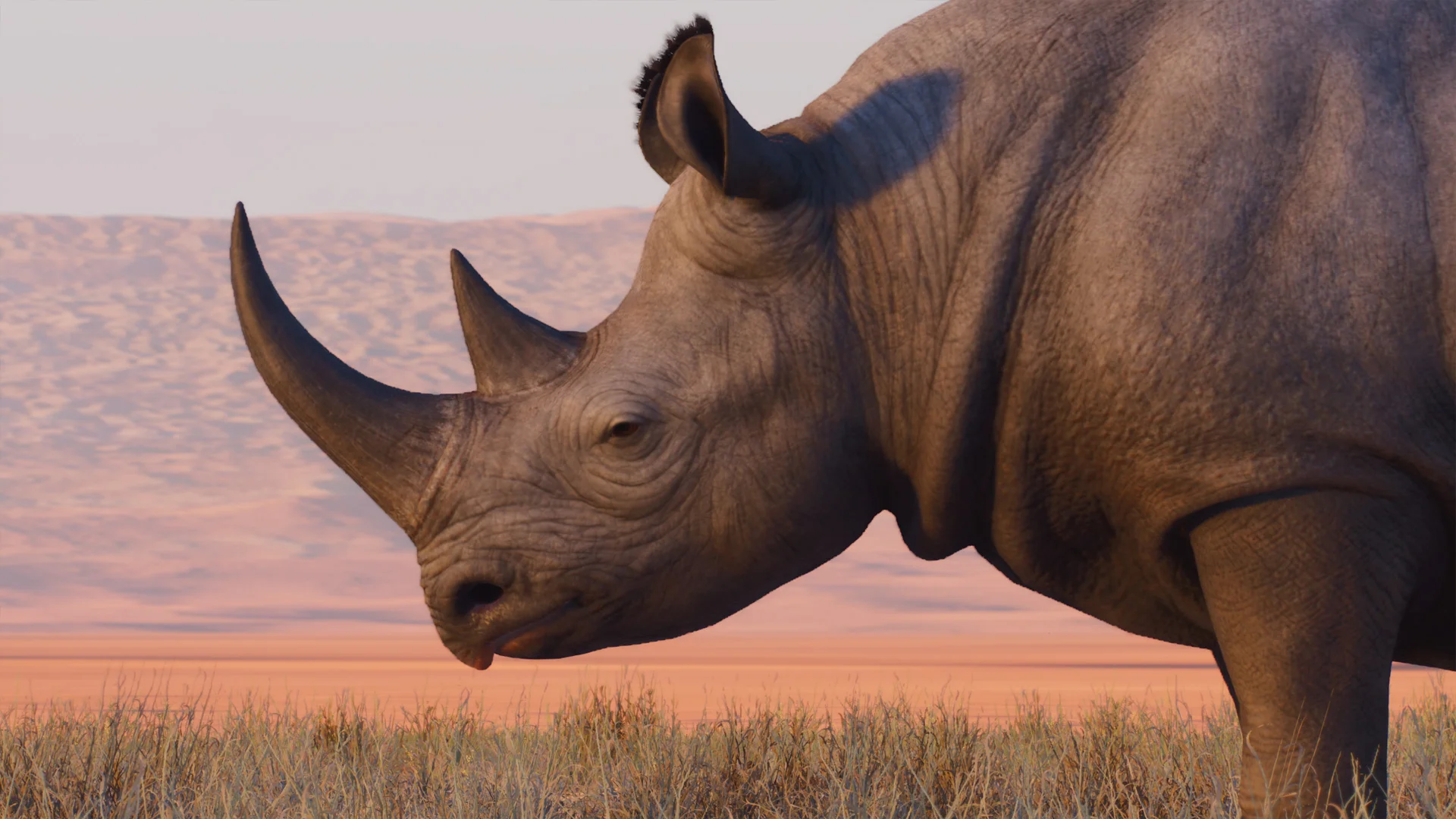
Release
Release requirements
Log in to track where you have released this species.
Bull Group
Maternal Family Group
Solitary Bull
Conservation
African savannah elephants are an Endangered species. They are threatened by poaching for the illegal ivory trade, but also due to the expansion of human life destroying their habitat. They are commonly viewed negatively by locals, mostly because they can destroy farmland and it is difficult to 'elephant proof' land with sufficient boundaries.
Poached elephant carcasses are often left poisoned, so that scavenging raptors will die instead of circling over the kill as to not alert wildlife rangers to poaching activities. In addition to the obvious impact on elephant populations, many African vulture species are also directly in decline because of this.
Elephants that live in National Parks are now protected from hunting, and many African countries have introduced humane ways of preventing elephants from damaging farmland. One method is to build a 'beehive fence': elephants are extremely afraid of bees and will avoid areas containing them or simply their sound.
Despite conservation efforts the African savannah elephant population is in decline.
Research
| Level | Unlocks | Bonus | Research gate |
|---|---|---|---|
| 1 | Thriving Requirement 1: Mud Bath, at least 2 | ||
| 2 | Thriving Requirement 2: at least 3 objects or plants with the Spreading Crown tag; African Savannah Elephant Fact Sheet | ||
| 3 | Release groups and release to the wild | ||
| 4 | Thriving Requirement 3: Food Grade 2 | Fertility (+15%) | Before this level: an Observation Network (Observation Platform) in Tanzania Reserve and this species released in Tanzania Reserve |
| 5 | Thriving Requirement 4: Water Surface Area | ||
| 6 | Thriving Requirement 5: Waterfall and Metal Frame, at least 2 | Fertility (+30%) |
Conservation topics
Life
Reproduction
Lifecycle
Body
 3.2 m
 2.6 m 6050 kg 3050 kg
Breeding
Mating in African savannah elephants peaks in the rainy season. An elephant bull will search for and approach a female herd, any interested females will vocalise towards him, and he will chase them until they allow him to mate with them. Mature bulls in musth, a period of heightened aggression and fertility in males, will be more successful in mating with a herd. After mating, the bull will separate from the herd again.
An elephant's pregnancy lasts 22 months, at which point the female will give birth to a single calf that she will take very close care of. Other female elephants will also help a mother care for her young, too.
These calves will remain close to the family herd until they are around 8 years old, at which point the females will remain and the males will move away to form bachelor pods.